

Monthly Archives: June 2025

June 27, 2025

Beat the Heat (Before OSHA Does): What HR and SHEA Need to Know

Adam Bouka

By Adam Bouka

With summer temperatures rising and OSHA’s heat hazard enforcement intensifying, Human Resources and SHEA (Safety, Health, Environmental, and Awareness) teams play a critical role in keeping their organizations compliant—and employees safe. On January 16, 2025, OSHA extended its National Emphasis Program (NEP) on Outdoor and Indoor Heat-Related Hazards through April 2026. This renewed focus underscores OSHA’s commitment to preventing heat-related illnesses and fatalities—and puts businesses squarely in the agency’s sights.

Adding urgency to these requirements, the National Weather Service reports that a dangerous “early-season heat dome” has already gripped large portions of the eastern U.S., bringing the highest temperatures seen in years. These extreme heat events are becoming more frequent—and more deadly—making employer compliance with OSHA’s heat protections both a legal and practical imperative. Read more >>
June 24, 2025

CHNV Update: Revocations and USCIS Guidance Trigger Urgent Employer Action

Chris Thomas

By Chris Thomas

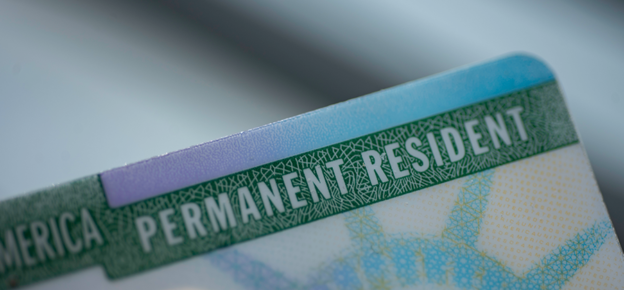
The Trump administration terminated the Cuba, Haiti, Nicaragua, Venezuela parole (CHNV parole) program on June 12, 2025. See our initial guidance here. According to the administration, notices have been sent to affected parolees advising:

  • Their status has been terminated,
  • Their employment authorization documents (EADs) have been revoked—“effective immediately,” and
  • They are expected to leave the country (self-deport).

What This Means for Employers

The decision to immediately, and without warningterminate the CHNV parole program that involves 530,000 participants, creates urgent compliance and workforce implications for employers.

Initially, the administration provided guidance only to affected parolees. Then, late on Friday, June 20, 2025, U.S. Citizenship & Immigration Services (USCIS) sent employers enrolled in E-Verify a notification (E-Verify Notification) outlining the option to access a “new report to help . . . identify if any of [their] E Verify cases was created with an EAD that has been revoked.”  USCIS added, “The report contains the document revocation date, case number, and A number for each affected case” (EAD Report). Read more >>

June 13, 2025

CHNV Parole Program Ends, Creating Urgent Employer Compliance Obligations

Chris Thomas

By Chris Thomas

Note: On June 24, 2025 an article was published that provided an update to this topic titled “CHNV Update: Revocations and USCIS Guidance Trigger Urgent Employer Action.”


The administration terminated the Cuba, Haiti, Nicaragua, Venezuela parole (CHNV parole) program yesterday (June 12, 2025). See: https://www.dhs.gov/news/2025/06/12/dhs-issues-notices-termination-chnv-parole-program-encourages-parolees-self-deport. According to the administration, notices have already been issued to affected parolees advising their status has been terminated, their employment authorization documents (EADs) revoked “effective immediately,” and that they are expected to self-deport.

What This Means for Employers

The decision to terminate the CHNV parole program immediately, without any notice, has surprised employers. Many employers anticipated that the administration would provide advance notice before terminating the program. Interestingly, only a day before the program’s termination, President Trump acknowledged the difficulty employers face in replacing workers in sectors impacted by recent immigration raids. With 530,000 individuals participating in this program, employers who have relied on CHNV parole workers will most certainly feel the hit.

At this point, the administration has provided guidance only to affected parolees. Although we have received some information that suggests the administration may develop guidance for employers, it remains unclear whether any such guidance will materialize, particularly given past inaction in similar situations. Read more >>

June 11, 2025

Fairness Isn’t Optional: Lessons from Google’s $50M Bias Case and SCOTUS on Title VII

Adam Bouka

By Adam Bouka

In May 2025, Google agreed to pay $50 million to settle a high-profile class action brought by Black and multiracial employees who alleged systemic racial discrimination in hiring, leveling, and promotion. That same month, the US Supreme Court unanimously held in Ames v. Ohio Department of Youth Services that Title VII does not impose extra burdens on plaintiffs from “majority” groups. Together, these developments represent a clarion call for HR leaders: equity must be pursued with integrity, and legal compliance must rest on neutral standards.

Google’s $50M Settlement: A Warning and a Blueprint

In Curley v. Google LLC, a group of Black and multiracial employees alleged that Google maintained a “two-tiered” workplace system that consistently placed them at a disadvantage. According to the lawsuit, even though these individuals had qualifications and experience equal to or greater than their peers, they were often hired into lower-level positions. Once employed, they faced limited opportunities for advancement, were subject to racial stereotyping, and remained largely excluded from leadership roles due to a workplace culture that failed to support equity and inclusion. Read more >>